

Project 2
Architectural Visualization
Design Process
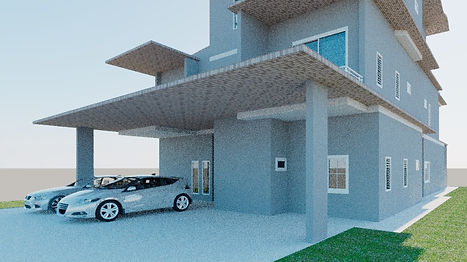
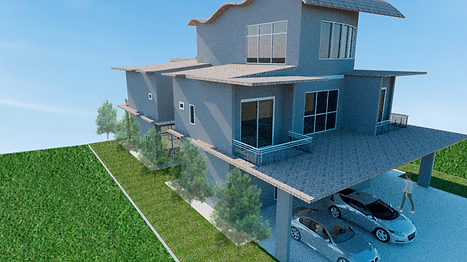
For Project 2, I am required to produce photorealistic renders of a selected architectural design using 3DS Max, incorporating materials, lights, cameras, and site context such as landscaping, furniture, vehicles and human characters. The renders will be enhanced through post-production tools like Adobe Photoshop to achieve the desired visual outcome. This process involves setting up appropriate lighting for both exterior and interior scenes, establishing photographic compositions with cameras, and applying suitable rendering settings. The aim is to simulate a professional visualization workflow—from 3D scene setup to post-production—ensuring realistic, high-quality and visually compelling representations of the design, supported by progressive Work in Progress (WIP) documentation.
Work In Progress


Test Renderings


Final Renderings (Before Photoshop)



Final Renderings (After Photoshop)


Self-Reflection
Throughout Project 2, I gained valuable knowledge and hands-on experience in architectural visualization, particularly in producing photorealistic renderings using 3DS Max. I learned how to effectively apply materials, set up both natural and artificial lighting, and establish camera compositions to create realistic and visually engaging scenes. Incorporating landscaping, furniture, vehicles and human figures also deepened my understanding of how context enhances architectural presentation. Post-production work in Adobe Photoshop allowed me to refine the renders further, demonstrating the importance of detail and creativity in achieving professional-quality outcomes.
The process of regularly producing and uploading Work in Progress (WIP) not only helped track my progress but also trained me to evaluate and refine my work critically at each stage. This iterative workflow strengthened my technical skills while also teaching me the value of patience, precision and experimentation in rendering. Collaborating with peers and receiving feedback throughout the project enhanced the learning experience, making it both challenging and enjoyable.
I would also like to express my gratitude to Mr. Bruce Lee for his continuous guidance and constructive feedback. His mentorship pushed me to refine my techniques, improve my visual storytelling and approach each render with a clear design intention. This project has been an enriching journey that not only enhanced my visualization skills but also built my confidence in communicating architectural ideas effectively through digital media.